
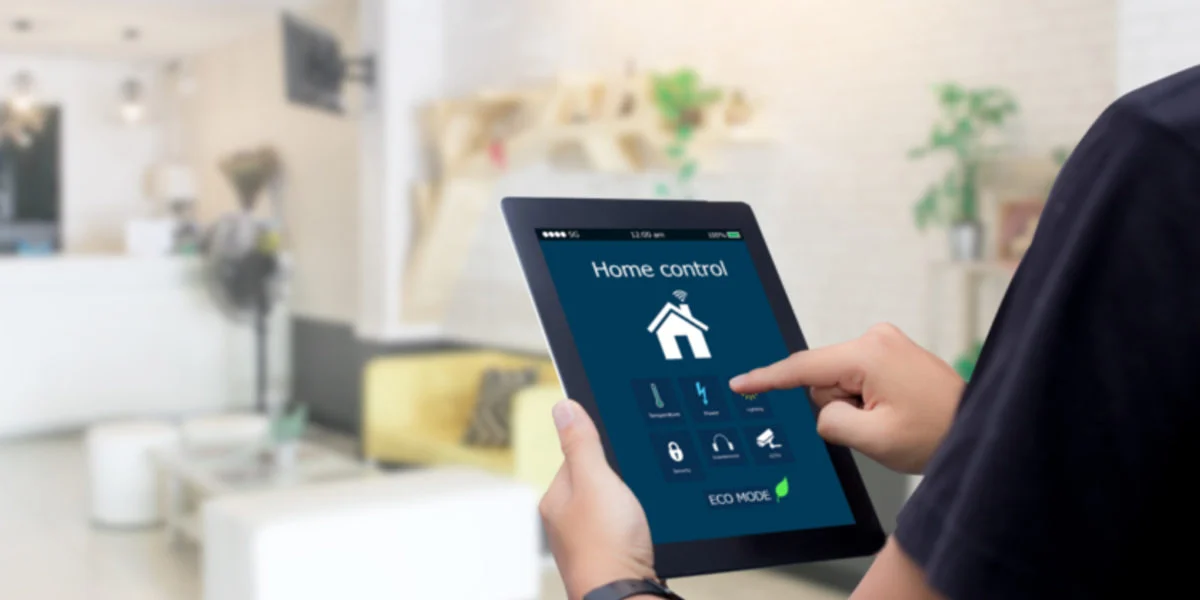
Homes have shifted into something more responsive than static living spaces, and the change has been gradual enough that I only fully noticed it in hindsight. Devices that once felt optional now sit quietly at the center of daily routines, adjusting lighting, temperature, and even security without constant attention. The presence of automation has stopped feeling like an upgrade and started feeling like a baseline expectation.
What stands out most is how seamlessly these systems have embedded themselves into ordinary habits. I no longer think about whether a device is “smart” or not, because the distinction has blurred into background infrastructure. How Smart Home Devices Are Becoming Everyday Essentials is a shift that reveals itself less through novelty and more through dependence that builds slowly over time.
The Quiet Expansion Of Connected Living
Connected living did not arrive as a single transformation but as a series of small integrations that gradually reshaped how homes function. I remember when individual devices operated independently, each requiring its own setup and attention. That fragmentation has steadily disappeared as ecosystems began to communicate across platforms and rooms.
What feels most significant now is the way these systems coordinate without explicit instruction. Lights adjust based on time of day, speakers respond to presence, and thermostats learn patterns that reflect lived routines. How Smart Home Devices Are Becoming Everyday Essentials is visible in how little effort is required to maintain comfort compared to earlier years.
There is also a subtle shift in expectation that comes with this integration. Once a home becomes responsive, silence or inactivity feels noticeable in a way it did not before. I find that even brief disruptions in automation reveal how deeply these systems have woven themselves into everyday living patterns.
From Convenience To Dependence In Daily Routines
Convenience often begins as the primary selling point, but over time it evolves into something closer to reliance. I notice this most clearly in how quickly routines adapt to automation, especially in the morning and evening. Tasks that once required multiple steps now happen in coordinated sequences triggered by presence or timing.
This dependence is not immediate or forced but accumulated through repetition. The more consistently a system performs a task, the more natural it becomes to expect it without thought. How Smart Home Devices Are Becoming Everyday Essentials becomes clearer when small interruptions feel disproportionately disruptive compared to the simplicity of manual control.
Even simple adjustments, like changing lighting or locking doors, now feel layered into a broader system rather than isolated actions. That layering reduces friction but also reshapes how effort is perceived inside the home. I find that routines become less about individual actions and more about trusting systems to manage continuity.
Security Systems And The New Sense Of Control
Security has always been a central concern in domestic spaces, but smart systems have changed how that concern is managed. Cameras, sensors, and connected locks now provide continuous visibility that extends beyond physical presence. I notice that this creates a different emotional relationship with space, where awareness replaces uncertainty.
What feels most notable is the shift from reactive security to continuous monitoring. Instead of responding to incidents after they occur, systems now provide real-time updates that shape perception of safety. How Smart Home Devices Are Becoming Everyday Essentials is particularly evident in how often security becomes a background reassurance rather than an active concern.
There is also a psychological dimension to this constant visibility. Knowing that a home can be checked or controlled remotely changes how absence is experienced. I find that travel or long periods away from home feel less disconnected because monitoring systems maintain a sense of proximity.
Energy Efficiency And Cost Awareness At Home
Energy management has become one of the most practical applications of home automation systems. Smart thermostats, lighting systems, and appliance monitoring tools now adjust usage based on patterns that reflect both behavior and environmental conditions. I notice that these adjustments often go unnoticed until I see the reduction in consumption reports.
The systems do not just reduce usage but also reframe awareness of consumption itself. Instead of guessing how energy is being used, I can see patterns emerge over time that reflect daily habits. How Smart Home Devices Are Becoming Everyday Essentials becomes clear in how energy optimization has moved from manual effort to automated background processes.
What stands out most is how these tools influence behavior indirectly. When feedback is continuous, even subtle changes in usage patterns become visible and sometimes self-correcting. That creates a loop where efficiency improves not through discipline but through quiet system feedback.
Voice Assistants And Invisible Interfaces
Voice assistants have shifted interaction away from screens and toward ambient communication. I find that speaking a command feels increasingly natural in situations where manual input would once have been required. That change reduces friction in a way that is subtle but consistent across multiple daily tasks.
These systems are most effective when they disappear into the background of conversation rather than demanding attention. Timers, reminders, and device controls now operate through brief spoken interactions that require minimal interruption. How Smart Home Devices Are Becoming Everyday Essentials is especially visible in how voice interaction has replaced multiple physical touchpoints.
What is interesting is how quickly expectations adjust once voice becomes a primary interface. When responses are immediate and accurate, silence or delay feels unusual. I notice that the threshold for acceptable performance has risen because interaction has become so effortless.
Integration Across Devices And Platforms
The strength of modern smart home systems lies in integration rather than individual device capability. Devices now communicate across ecosystems in ways that allow coordinated responses to simple triggers. I observe this most clearly when a single action affects multiple systems simultaneously without additional input.
This interconnected structure creates a sense of coherence that was absent in earlier versions of home technology. Instead of managing separate applications for each device, I now interact with unified systems that handle coordination internally. How Smart Home Devices Are Becoming Everyday Essentials reflects this shift toward consolidated digital environments within physical spaces.
There is also an increasing emphasis on interoperability between different brands, although the level of consistency still varies. When systems work well together, the experience feels seamless enough to go unnoticed. When they do not, the gaps become immediately visible, highlighting how dependent these environments have become on integration quality.
Final Reflection On Domestic Technology Becoming Infrastructure
Smart home systems have moved beyond the category of consumer electronics and into something closer to domestic infrastructure. The transition is subtle, but it changes how homes are experienced at a fundamental level. I find that I no longer evaluate these devices individually but instead consider how well they support the overall system.
How Smart Home Devices Are Becoming Everyday Essentials is not defined by a single breakthrough but by accumulated adjustments that reshape daily life. Each layer of automation reduces friction while increasing reliance on systems that operate continuously in the background. That combination makes the technology feel less like an addition and more like a foundation.
What remains most striking is how quickly this shift has normalized. Behaviors that once required active engagement now happen automatically, often without conscious recognition. The result is a home that feels increasingly alive with responsive systems, where comfort, security, and efficiency are maintained through quiet coordination rather than deliberate effort.
