
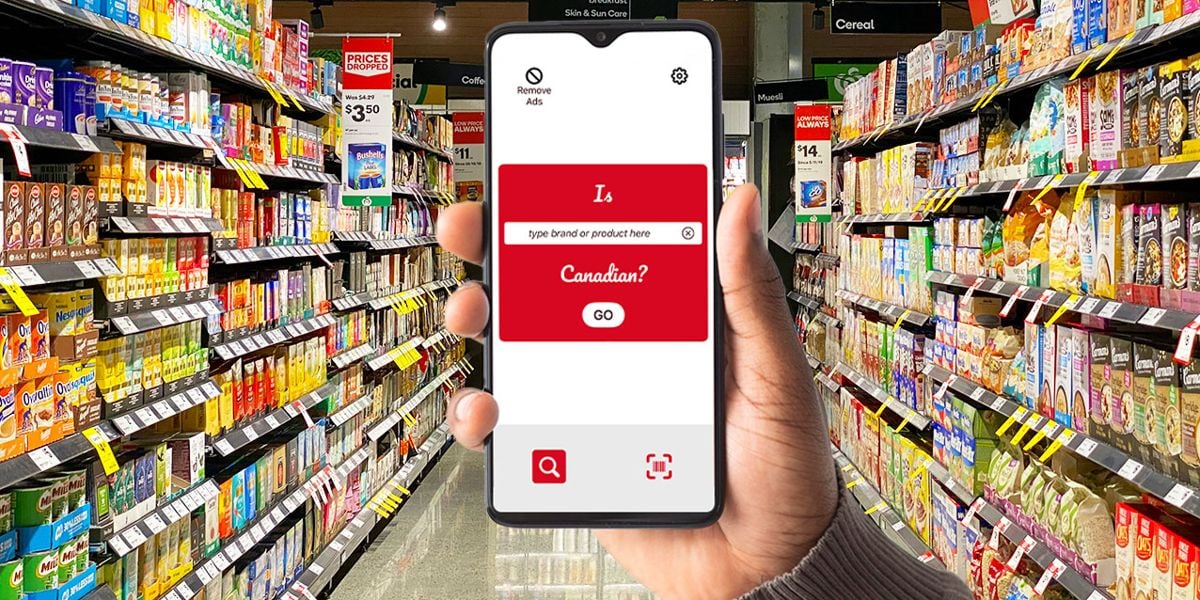
Retail has entered a phase where change is no longer periodic but continuous, reshaping how shopping feels at every stage of interaction. I notice that stores, both digital and physical, are increasingly designed to respond to behavior in real time rather than operate on fixed models. That responsiveness has shifted expectations around convenience, speed, and personalization in ways that are now becoming standard.
What stands out most is how these innovations are not isolated improvements but interconnected systems that reinforce each other. Technology, logistics, data, and customer experience now operate as a single ecosystem rather than separate functions. Retail Innovations That Are Reshaping the Shopping Experience reflect this convergence, where every layer of retail is being redefined simultaneously rather than sequentially.
Smart Stores And The Reinvention Of Physical Retail
Physical retail has undergone a quiet transformation as smart technologies become embedded in store environments. I notice that modern stores are increasingly equipped with sensors, digital displays, and automated systems that track movement and engagement. That shift has turned physical spaces into data-rich environments that respond to customer behavior.
What feels most significant is how store layouts are now influenced by real-time analytics rather than fixed merchandising strategies. Product placement can adjust based on foot traffic patterns and purchasing behavior. Retail Innovations That Are Reshaping the Shopping Experience are clearly visible in how physical stores now behave more like adaptive systems than static environments.
There is also a noticeable shift in how customers interact with products in these spaces. Digital kiosks, smart mirrors, and interactive displays reduce the need for traditional assistance while increasing engagement. That combination of automation and interactivity changes how physical shopping is experienced at a fundamental level.
Artificial Intelligence In Retail Decision Systems
Artificial intelligence has become a core driver of decision-making in retail operations. I find that AI is now responsible for everything from inventory forecasting to personalized product recommendations. That integration has changed how both retailers and consumers navigate shopping environments.
These systems analyze vast datasets to predict demand, optimize pricing, and refine product visibility. Retail Innovations That Are Reshaping the Shopping Experience are strongly influenced by how AI continuously refines these processes based on real-time feedback. That adaptability increases efficiency while reducing uncertainty in operations.
What stands out is how invisible much of this intelligence has become to the end user. Most shoppers are not aware of how much algorithmic processing shapes what they see. That invisibility makes the experience feel seamless even when it is highly complex behind the scenes.
Checkout Free Systems And Frictionless Payments
Checkout-free technology has transformed how transactions occur in both physical and digital retail environments. I notice that payment processes are increasingly being removed from traditional checkout points and integrated directly into the shopping experience. That removal of friction changes how time is perceived during shopping.
These systems rely on sensors, computer vision, and mobile authentication to track items and complete transactions automatically. Retail Innovations That Are Reshaping the Shopping Experience are evident in how customers can now leave stores without stopping at a register. That shift redefines the concept of payment itself.
What is particularly interesting is how this affects customer behavior within stores. Without the interruption of checkout lines, browsing becomes more fluid and less segmented. That continuity encourages longer engagement and often increases total purchase volume.
Augmented Reality And Immersive Product Interaction
Augmented reality has introduced a new dimension to retail by allowing customers to visualize products in real-world contexts. I find that this technology is especially impactful in categories like furniture, fashion, and cosmetics. That visualization reduces uncertainty and increases confidence in purchasing decisions.
AR applications enable users to place digital products into their physical environment before making a commitment. Retail Innovations That Are Reshaping the Shopping Experience include this blending of digital simulation with real-world context. That integration changes how products are evaluated prior to purchase.
What stands out is how immersive these experiences have become over time. Improvements in rendering quality and device capabilities make digital overlays feel increasingly realistic. That realism enhances engagement and reduces hesitation in the buying process.
Personalized Shopping Journeys Across Channels
Personalization has become a defining feature of modern retail experiences across both online and offline environments. I notice that customer journeys are now shaped by behavioral data that spans multiple touchpoints. That continuity ensures that experiences feel tailored regardless of where interaction begins.
These systems track browsing behavior, purchase history, and engagement patterns to deliver individualized recommendations. Retail Innovations That Are Reshaping the Shopping Experience are closely tied to how personalization systems operate across integrated platforms. That integration creates consistency in customer experience.
What is particularly notable is how personalization extends beyond product suggestions into entire shopping journeys. Layouts, promotions, and even communication timing can be adjusted based on user profiles. That level of customization influences how decisions are formed over time.
Robotics And Automation In Retail Operations
Robotics has become increasingly present in retail environments, particularly in logistics, inventory management, and in-store assistance. I find that automation now plays a significant role in maintaining operational efficiency across large retail systems. That presence reduces manual workload while increasing accuracy.
Robotic systems are used for tasks such as shelf scanning, warehouse sorting, and order fulfillment. Retail Innovations That Are Reshaping the Shopping Experience include these behind-the-scenes improvements that directly affect product availability and delivery speed. That efficiency enhances overall customer satisfaction.
What stands out is how seamlessly these systems operate alongside human workers. Rather than replacing staff entirely, robotics often support repetitive or time-intensive tasks. That collaboration creates a hybrid model of retail operations that balances efficiency with flexibility.
Data Driven Inventory And Demand Forecasting
Inventory management has become significantly more precise due to advanced data analytics and predictive modeling. I notice that retailers now rely heavily on real-time data to anticipate demand fluctuations. That predictive capability reduces both overstock and stockout situations.
These systems analyze historical sales data, seasonal trends, and external factors to optimize inventory levels. Retail Innovations That Are Reshaping the Shopping Experience are strongly influenced by this shift toward data-driven forecasting. That approach improves operational efficiency across supply chains.
What is particularly interesting is how quickly these systems adjust to changing conditions. Sudden shifts in demand can be detected and responded to within short timeframes. That responsiveness creates a more stable and reliable shopping experience for customers.
Social Integration And Community Driven Shopping
Social elements have become increasingly integrated into retail environments, influencing how products are discovered and evaluated. I find that community feedback, reviews, and shared experiences now play a central role in purchasing decisions. That social layer adds credibility to product visibility.
Retail platforms increasingly incorporate user-generated content to enhance engagement and trust. Retail Innovations That Are Reshaping the Shopping Experience are evident in how social validation is embedded directly into product pages and store environments. That integration strengthens consumer confidence.
What stands out is how shared experiences influence individual behavior. Seeing how others interact with products often shapes perception before personal evaluation occurs. That collective influence has become a powerful force in modern retail.
Voice Commerce And Hands Free Shopping
Voice-enabled systems have introduced new methods of interacting with retail platforms. I notice that customers are increasingly using voice commands to search, compare, and purchase products. That hands-free interaction simplifies the shopping process in many contexts.
These systems rely on natural language processing to interpret intent and execute transactions. Retail Innovations That Are Reshaping the Shopping Experience include this shift toward conversational commerce interfaces. That shift reduces reliance on traditional navigation structures.
What is particularly notable is how quickly users adapt to voice-based interaction once accuracy improves. The convenience of spoken commands creates a more fluid experience that integrates easily into daily routines. That adoption reflects broader changes in interface design.
Sustainable Retail Technologies And Ethical Consumption
Sustainability has become a key focus in retail innovation, influencing both production and consumption practices. I find that brands are increasingly adopting technologies that reduce waste and improve resource efficiency. That shift reflects growing consumer awareness around environmental impact.
Digital tools now allow customers to view product sourcing, carbon footprints, and material composition. Retail Innovations That Are Reshaping the Shopping Experience include transparency tools that inform purchasing decisions. That visibility encourages more responsible consumption patterns.
What stands out is how sustainability has moved from a niche concern to a mainstream expectation. Retailers are integrating eco-friendly practices into core operations rather than treating them as optional features. That integration reflects a broader shift in consumer values.
Final Reflection On The Changing Retail Landscape
Retail has evolved into a system defined by intelligence, automation, and deep integration across physical and digital environments. I find that the most important changes are not isolated technologies but the way these systems work together to shape behavior. That interconnectedness defines the modern shopping experience.
Retail Innovations That Are Reshaping the Shopping Experience highlight how deeply embedded technology has become in everyday commerce. From AI-driven personalization to automated logistics and immersive interfaces, each innovation contributes to a more responsive system. That responsiveness changes how value, convenience, and engagement are perceived.
What remains most striking is how quickly these innovations have become normalized. Experiences that once felt experimental are now part of everyday expectations in retail environments. Over time, that normalization continues to redefine what shopping means in a digitally connected world.
