
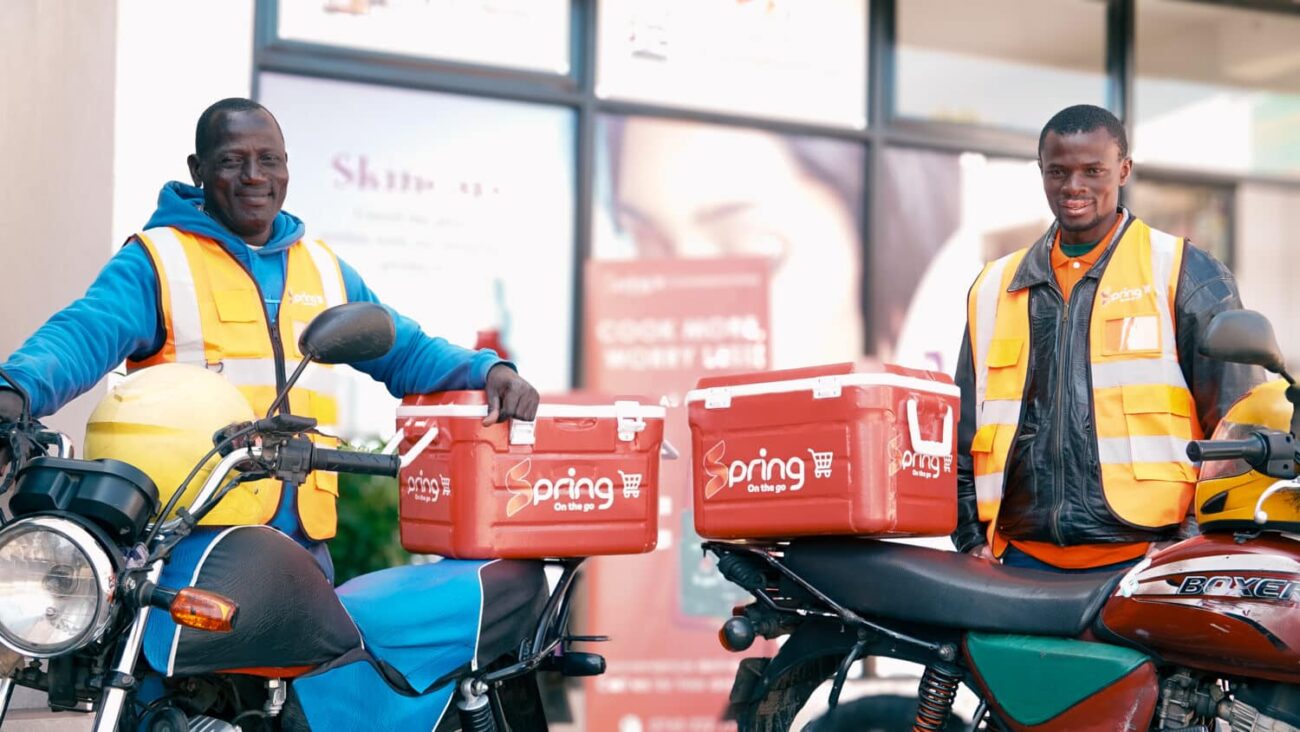
Delivery speed has quietly become one of the most defining forces in modern retail, reshaping how I evaluate the entire ecommerce ecosystem. What once felt like a competitive advantage has now turned into a baseline expectation that influences every stage of the buying journey. The pressure created by this shift is not just logistical but structural, affecting how retailers design operations, manage inventory, and plan customer experiences.
What stands out most is how quickly consumer expectations have adjusted to near-instant fulfillment. The idea of waiting several days for an order now feels increasingly outdated in many categories, even when that timing is still standard across much of the industry. The Impact of Fast Delivery Expectations on Retailers is becoming more visible as businesses struggle to balance speed, cost, and operational sustainability.
The New Standard Of Instant Gratification In Commerce
Fast delivery has evolved from a premium service into an assumed part of the shopping experience. I notice that consumers rarely differentiate between same-day, next-day, or two-day delivery when evaluating convenience; instead, they tend to focus on what feels immediate. That compression of expectations has fundamentally altered how value is perceived in retail transactions.
What makes this shift particularly powerful is how it reshapes decision-making before a purchase is even made. Delivery speed often influences whether an item is selected at all, especially in categories where urgency or convenience plays a central role. The Impact of Fast Delivery Expectations on Retailers is evident in how fulfillment speed now directly affects conversion rates.
This expectation creates a competitive environment where even well-established retailers must continuously invest in logistics capabilities. Speed has become a defining feature of brand perception, often carrying as much weight as price or product quality. Over time, that reordering of priorities changes how retail strategies are developed from the ground up.
Logistics Infrastructure Under Constant Pressure
The demand for faster delivery has placed unprecedented pressure on logistics systems across the retail sector. I find that fulfillment networks now operate with significantly reduced margins for error, where delays can have immediate reputational consequences. That sensitivity forces continuous optimization across warehouses, transportation, and last-mile delivery systems.
Warehousing strategies have evolved to prioritize proximity to consumers rather than centralized storage efficiency. The Impact of Fast Delivery Expectations on Retailers is clearly visible in how distribution centers are now strategically placed closer to urban hubs. That geographic restructuring reduces delivery times but increases operational complexity.
What stands out is how these systems must remain flexible under fluctuating demand conditions. Seasonal spikes, promotional events, and unexpected surges require rapid scaling of logistics capacity. That variability adds another layer of difficulty to maintaining consistent delivery performance.
Inventory Management And Predictive Stock Placement
Inventory management has become increasingly predictive as retailers attempt to meet faster delivery expectations. I notice that businesses now rely heavily on data analytics to forecast demand and position stock closer to anticipated buyers. That predictive approach reduces shipping time but requires significant upfront planning.
These systems analyze purchasing behavior, regional trends, and seasonal patterns to determine optimal stock distribution. The Impact of Fast Delivery Expectations on Retailers is closely tied to how inventory is no longer stored centrally but distributed across multiple fulfillment points. That decentralization increases responsiveness but also raises operational costs.
What is particularly interesting is how quickly inventory decisions must now be made. A delay in forecasting accuracy can lead to either excess stock in one region or shortages in another. That imbalance directly affects a retailer’s ability to meet delivery expectations consistently.
The Cost Structure Of Speed
Faster delivery introduces a significant shift in cost structures that many retailers must carefully manage. I find that last-mile delivery, in particular, represents one of the most expensive components of the fulfillment process. That cost pressure often forces difficult trade-offs between speed and profitability.
To maintain competitive delivery times, many retailers invest in premium shipping partnerships or develop in-house logistics capabilities. The Impact of Fast Delivery Expectations on Retailers becomes evident in how much of operational budgets are now allocated to logistics rather than marketing or product development. That redistribution changes overall business priorities.
What stands out is how difficult it is to pass these costs directly to consumers. While some customers are willing to pay for expedited shipping, many still expect fast delivery as a standard service. That expectation creates a tension between customer satisfaction and financial sustainability.
Technology Integration In Fulfillment Systems
Technology has become essential in managing the complexity created by fast delivery demands. I notice that automation, machine learning, and real-time tracking systems are now deeply embedded in fulfillment operations. That integration allows retailers to coordinate large-scale logistics with greater precision.
Warehouse automation systems help speed up sorting, packaging, and dispatch processes, reducing human error and processing time. The Impact of Fast Delivery Expectations on Retailers is strongly influenced by how these technologies streamline operational workflows. That efficiency improvement is critical for meeting tight delivery windows.
What is particularly notable is how real-time data tracking improves coordination across the entire supply chain. Retailers can now monitor inventory levels, shipping routes, and delivery progress simultaneously. That visibility allows for faster adjustments when disruptions occur.
Consumer Behavior And Shifting Expectations
Consumer expectations around delivery speed have evolved alongside technological advancements in retail logistics. I find that convenience has become a dominant factor in purchasing decisions, often outweighing minor differences in price or brand preference. That behavioral shift places additional pressure on retailers to meet speed standards consistently.
Many consumers now view fast delivery as a default rather than an added benefit. The Impact of Fast Delivery Expectations on Retailers is evident in how delays, even minor ones, can significantly influence customer satisfaction. That sensitivity increases the importance of operational reliability.
What stands out is how quickly these expectations normalize once introduced. After experiencing faster delivery options, consumers tend to adjust their baseline expectations accordingly. That escalation creates a moving target for retailers trying to maintain competitiveness.
Urban Fulfillment And Micro Distribution Centers
Urban fulfillment strategies have become increasingly important in meeting fast delivery expectations. I notice that retailers are investing in micro distribution centers located within or near major cities. That proximity reduces delivery times significantly for high-demand areas.
These smaller facilities operate as rapid dispatch points rather than full-scale warehouses. The Impact of Fast Delivery Expectations on Retailers is closely tied to how these centers enable same-day or even hourly delivery in some cases. That capability reshapes how urban logistics networks are designed.
What is particularly interesting is how these centers require precise coordination with larger supply chains. Inventory must be continuously replenished to avoid shortages while maintaining rapid turnover. That balance adds complexity to already demanding logistics systems.
Competition And Market Pressure
Fast delivery expectations have intensified competition across the retail industry. I find that companies are now judged not only by product quality but by how quickly they can fulfill orders. That shift changes how competitive advantage is measured in ecommerce.
Smaller retailers often struggle to match the logistics capabilities of larger platforms with established infrastructure. The Impact of Fast Delivery Expectations on Retailers is especially pronounced for businesses without extensive distribution networks. That imbalance can influence market consolidation over time.
What stands out is how delivery speed has become a marketing tool in itself. Promises of rapid fulfillment are now prominently featured in advertising and product listings. That emphasis reflects how deeply speed has become tied to perceived value.
Sustainability Challenges Of Rapid Fulfillment
The push for faster delivery has raised important questions around sustainability and environmental impact. I notice that expedited shipping often requires less efficient transportation methods and increased packaging usage. That trade-off creates tension between convenience and environmental responsibility.
Retailers are increasingly exploring ways to offset these impacts through greener logistics solutions. The Impact of Fast Delivery Expectations on Retailers includes pressure to balance speed with sustainability goals. That balance is becoming a key consideration in long-term strategy.
What is particularly notable is how consumer awareness of sustainability is influencing expectations. Many customers now expect both fast and environmentally responsible delivery options. That dual expectation adds further complexity to fulfillment planning.
Final Reflection On The Speed Driven Retail Era
Fast delivery expectations have fundamentally reshaped the structure and priorities of modern retail systems. I find that the most significant change is not just operational but cultural, as speed has become embedded in how value is perceived. That cultural shift influences everything from logistics to marketing strategies.
The Impact of Fast Delivery Expectations on Retailers is ultimately about the tension between speed, cost, and sustainability. Each of these factors must be balanced carefully to meet evolving consumer demands. That balancing act defines the current state of ecommerce operations.
What stands out most is how irreversible this shift appears to be. Once consumers experience faster fulfillment, expectations rarely revert to slower standards. Over time, that continuous escalation ensures that delivery speed will remain one of the most influential forces shaping the future of retail.
