
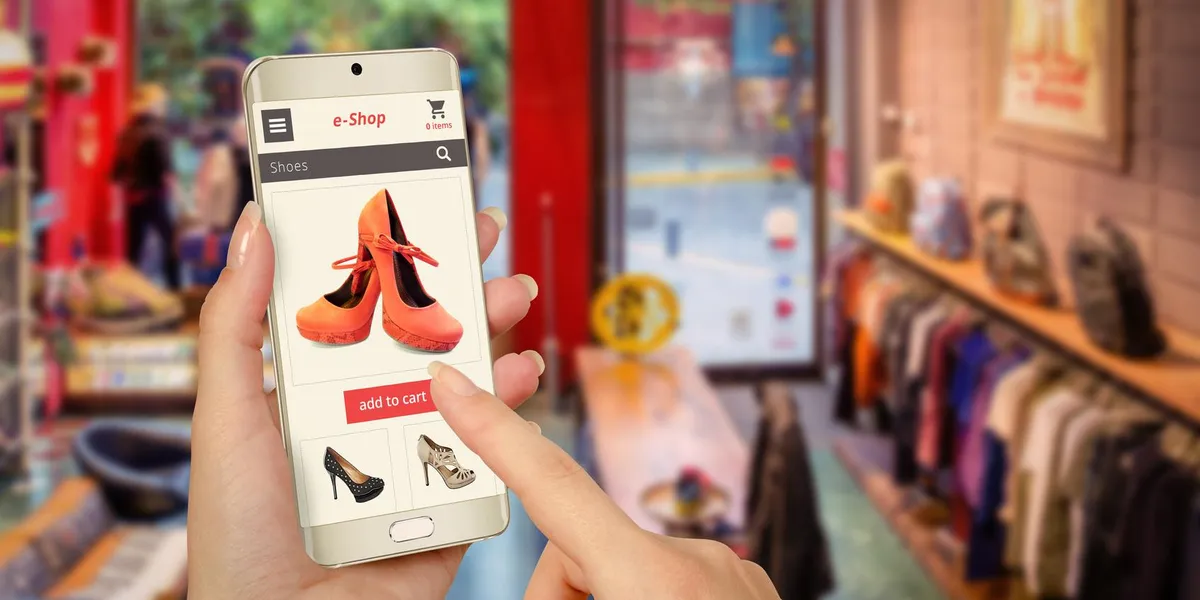
Loyalty programs have shifted from simple point-collection systems into complex, data-driven ecosystems that influence how people shop across almost every category. I notice that what once felt like a straightforward exchange of purchases for rewards has become a layered structure shaped by personalization, behavioral tracking, and predictive analytics. That transformation has changed the meaning of customer loyalty in ways that are not immediately visible but deeply influential.
What stands out most is how these programs now operate as continuous engagement systems rather than occasional incentives. They no longer wait for transactions to occur but actively shape when, how, and why those transactions happen. The Evolution of Loyalty Programs and Customer Rewards reflects this shift from passive reward structures to active behavioral frameworks that guide consumer decisions over time.
From Stamp Cards To Digital Ecosystems
Early loyalty programs were simple and tangible, often based on stamp cards or punch systems that rewarded repeat visits. I remember how straightforward those systems felt, where value was visible and accumulation was easy to track without any technology. That simplicity created a direct but limited form of engagement between customer and brand.
The transition to digital systems introduced far more complexity and flexibility into how rewards were structured. Instead of physical stamps, purchases began generating digital points stored within centralized databases. The Evolution of Loyalty Programs and Customer Rewards becomes clear when these early systems are compared to today’s integrated platforms that track behavior across multiple touchpoints.
What is particularly notable is how digitization allowed brands to expand loyalty beyond physical stores. Online activity, browsing behavior, and even engagement with marketing content now contribute to reward systems. That expansion has turned loyalty programs into always-on engagement engines rather than transactional afterthoughts.
Data Driven Personalization And Behavioral Tracking
Modern loyalty programs rely heavily on behavioral data to personalize rewards and incentives. I notice that every interaction, from browsing to purchasing, contributes to a profile that shapes future offers. That continuous data collection creates a feedback loop between consumer behavior and brand response.
These systems analyze patterns such as purchase frequency, product categories, and engagement timing to tailor rewards more precisely. The Evolution of Loyalty Programs and Customer Rewards is deeply tied to this ability to transform raw behavior into targeted incentives. That transformation increases both relevance and conversion likelihood.
What stands out is how invisible much of this personalization has become. Users often receive tailored offers without realizing how many data points contributed to them. That subtle integration makes loyalty programs feel more intuitive while increasing their strategic influence.
Tiered Systems And Psychological Motivation
Tiered loyalty systems have become a dominant structure in modern reward programs, introducing levels that reflect customer engagement. I find that these systems create a sense of progression that extends beyond individual transactions. That progression introduces a psychological layer that influences long-term behavior.
Higher tiers often unlock benefits such as exclusive discounts, early access, or enhanced customer service. The Evolution of Loyalty Programs and Customer Rewards is closely linked to how these tiered systems encourage sustained engagement rather than isolated purchases. That structure motivates customers to maintain or increase their spending levels.
What is particularly interesting is how progression becomes part of the user experience itself. Customers often track their status within a program as closely as they track their purchases. That sense of advancement transforms loyalty from a reward system into a status-driven experience.
Subscription Models And Continuous Engagement
Subscription-based loyalty programs have added a new dimension to customer rewards by combining access and benefits into ongoing relationships. I notice that these models shift the focus from individual transactions to continuous membership. That shift changes how value is perceived over time.
These systems often include benefits such as free shipping, exclusive discounts, or bundled services in exchange for recurring fees. The Evolution of Loyalty Programs and Customer Rewards is evident in how subscriptions transform loyalty from a reactive system into a proactive commitment. That structure increases predictability for both brands and customers.
What stands out is how subscriptions blur the line between loyalty and utility. Customers often remain engaged not just for rewards but for convenience and consistency. That blending of motivations strengthens long-term retention while redefining loyalty itself.
Mobile Integration And Always Available Rewards
Mobile technology has made loyalty programs more accessible and constantly present in everyday shopping behavior. I find that rewards are now integrated directly into mobile apps, allowing users to track points, redeem offers, and receive notifications instantly. That immediacy increases engagement frequency.
Push notifications and app-based alerts ensure that rewards remain visible throughout the customer journey. The Evolution of Loyalty Programs and Customer Rewards is strongly influenced by this constant accessibility that keeps users connected to programs in real time. That visibility reinforces ongoing participation.
What is particularly notable is how mobile integration reduces friction in reward usage. Redeeming points or accessing offers now requires minimal effort, which increases redemption rates. That ease of access strengthens the perceived value of loyalty programs.
Gamification And Engagement Psychology
Gamification has become a key strategy in modern loyalty program design, introducing game-like mechanics into shopping behavior. I notice that challenges, badges, and progress bars are now common features within reward systems. That structure increases engagement by tapping into psychological motivation.
These elements create a sense of achievement that extends beyond monetary rewards. The Evolution of Loyalty Programs and Customer Rewards is closely tied to how gamification transforms routine purchases into interactive experiences. That transformation increases emotional attachment to the program.
What stands out is how gamification encourages repeated interaction even when immediate rewards are minimal. Users often continue engaging to complete challenges or maintain streaks. That behavioral reinforcement strengthens long-term participation.
Cross Brand Partnerships And Expanded Ecosystems
Loyalty programs have increasingly expanded through partnerships between multiple brands and services. I find that these collaborations allow users to earn and redeem rewards across different platforms. That expansion increases the utility of loyalty points beyond a single ecosystem.
These partnerships often include airlines, retailers, financial institutions, and entertainment platforms. The Evolution of Loyalty Programs and Customer Rewards reflects how loyalty has become a shared currency across industries. That interoperability increases the perceived value of rewards.
What is particularly interesting is how these ecosystems influence consumer behavior across categories. Customers may choose services based on reward compatibility rather than product preference alone. That integration strengthens ecosystem loyalty rather than brand-specific loyalty.
Artificial Intelligence And Predictive Incentives
Artificial intelligence has become central to how loyalty programs determine which rewards to offer and when to present them. I notice that systems now predict customer behavior and adjust incentives accordingly. That predictive capability increases the precision of reward distribution.
AI models analyze historical data to anticipate when customers are most likely to respond to offers. The Evolution of Loyalty Programs and Customer Rewards is deeply shaped by this shift toward predictive engagement rather than reactive promotion. That shift increases efficiency and conversion rates.
What stands out is how these systems adjust incentives dynamically based on ongoing behavior. Offers may change depending on engagement patterns or purchasing cycles. That adaptability makes loyalty programs feel more responsive and individualized.
Emotional Loyalty And Brand Connection
Loyalty programs are increasingly designed to build emotional connections rather than purely transactional relationships. I find that brands now focus on experiences, exclusivity, and personalization to strengthen emotional attachment. That shift adds depth to customer engagement.
These emotional elements often include early access to products, personalized experiences, or curated recommendations. The Evolution of Loyalty Programs and Customer Rewards reflects how emotional value has become as important as financial incentives. That dual structure strengthens long-term loyalty.
What is particularly notable is how emotional loyalty reduces price sensitivity over time. Customers who feel connected to a brand are less likely to switch based solely on cost. That emotional dimension becomes a powerful retention mechanism.
Data Ownership And Transparency Concerns
As loyalty programs become more data-driven, questions around transparency and data ownership have grown more prominent. I notice that customers are increasingly aware of how their behavior is tracked and analyzed. That awareness influences trust in reward systems.
Brands are responding by offering more visibility into how points are earned and how data is used. The Evolution of Loyalty Programs and Customer Rewards includes this growing emphasis on transparency as a competitive advantage. That shift reflects changing consumer expectations.
What stands out is the tension between personalization and privacy. While users benefit from tailored rewards, they also contribute significant behavioral data to achieve them. That balance continues to shape how loyalty programs evolve.
Final Reflection On The Future Of Loyalty Systems
Loyalty programs have evolved into complex ecosystems that combine data, psychology, and technology into a unified engagement structure. I find that their role has expanded far beyond simple rewards to become central components of customer experience strategy. That evolution reflects broader changes in digital commerce.
The Evolution of Loyalty Programs and Customer Rewards is ultimately about how brands maintain relationships over time rather than individual transactions. Each layer of personalization, gamification, and predictive engagement strengthens the connection between customer and platform. That structure defines modern loyalty in digital environments.
What stands out most is how seamlessly these systems have integrated into everyday shopping behavior. Loyalty is no longer something users actively enroll in occasionally but something that operates continuously in the background. Over time, that integration reshapes how value, trust, and engagement are experienced in commerce.
